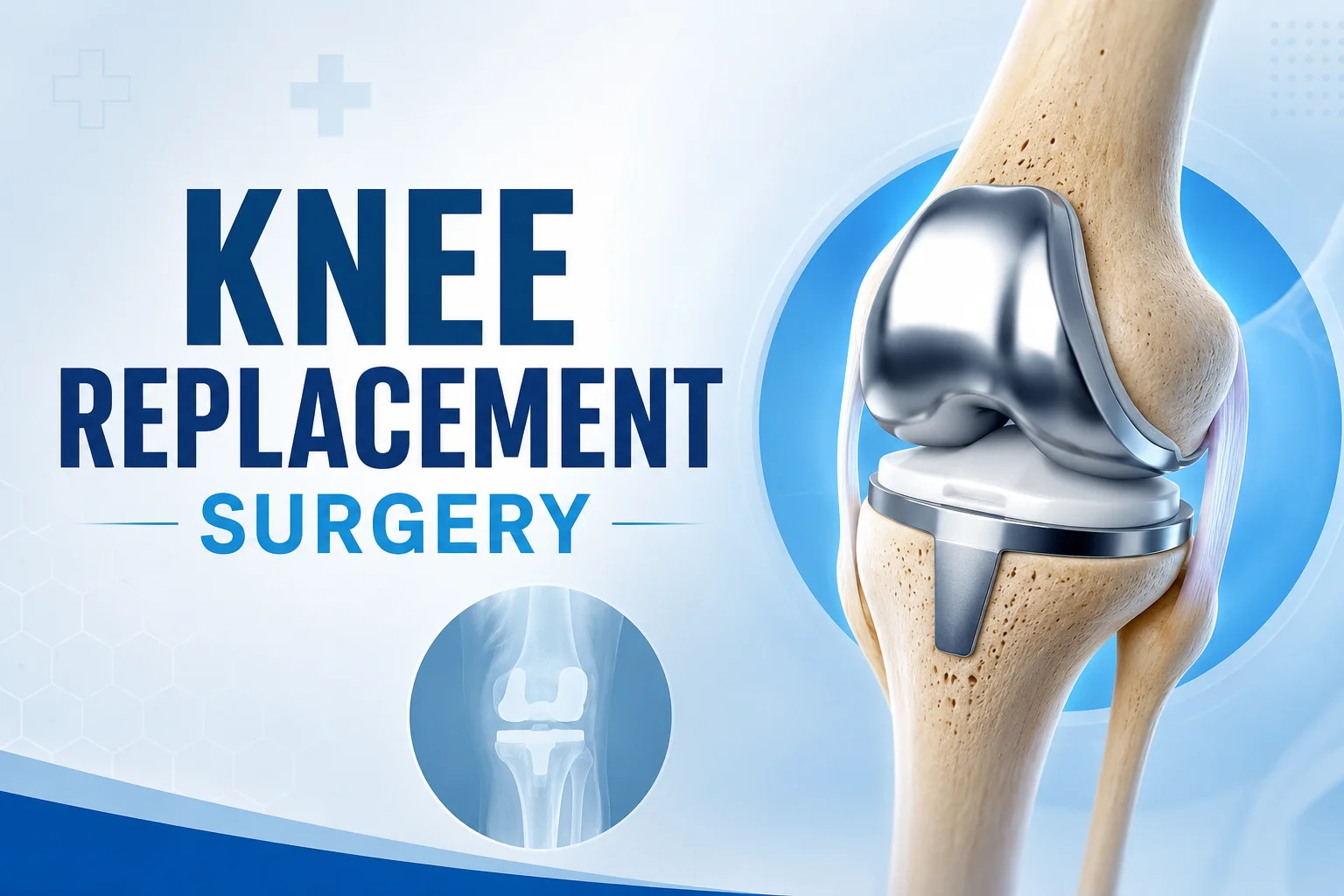
When Do You Need Knee Replacement Surgery? 7 Signs to Know
Knee pain can make ordinary activities—walking to the shop, climbing stairs, getting out of a chair or sleeping comfortably—much harder than they should be. If medicines and exercise are no longer helping enough, you may wonder whether knee replacement surgery is the next step.
This guide explains the signs that surgery may be worth discussing, the treatments doctors may try first, and how to prepare for an orthopedic consultation.
For general education: This article cannot determine whether you personally need surgery. That decision requires an individual assessment by a qualified orthopedic specialist.
What Is Knee Replacement Surgery?
Knee replacement, also called knee arthroplasty, is an operation in which damaged joint surfaces are replaced with artificial components. It is commonly used to treat severe knee osteoarthritis, although other conditions that damage the joint may also lead to consideration of surgery.
The aim is to reduce pain and improve function. Results vary, and some people continue to experience pain or stiffness after the operation.
7 Signs You May Need to Discuss Knee Replacement
These signs do not automatically mean you need an operation. They are reasons to arrange an assessment, especially when several occur together or keep getting worse.
Persistent knee pain
Your knee hurts repeatedly while walking, standing, getting up from a chair or doing everyday tasks. The pain may occur even after resting.
Pain that disrupts sleep
Knee discomfort makes it difficult to fall asleep or wakes you during the night. Ongoing night pain deserves medical evaluation.
Difficulty walking or climbing stairs
You need frequent breaks, struggle with steps or can no longer walk the distances that matter to you.
Stiffness and reduced movement
You find it difficult to bend or straighten your knee, sit comfortably or get in and out of a vehicle.
Everyday activities become difficult
Bathing, shopping, cooking, working or spending time with family becomes harder because of knee symptoms.
Leg alignment changes
Your knee appears increasingly bowed or misaligned, particularly when this occurs alongside pain and reduced function.
Other treatments have not helped enough
A suitable plan involving exercise, physiotherapy, weight management where appropriate or medication has not provided enough relief.
Guidelines recommend considering joint replacement when osteoarthritis symptoms substantially affect quality of life and non-surgical management is ineffective or unsuitable. The decision should be made through clinical assessment and shared discussion with the patient.
What Causes People to Need Knee Replacement?
The most common reason is knee osteoarthritis. The protective cartilage gradually wears down, which can cause pain, stiffness and difficulty moving. Knee replacement may also be considered for selected people with other conditions that have seriously damaged the joint.
- Osteoarthritis: progressive damage to the joint cartilage.
- Inflammatory arthritis: conditions such as rheumatoid arthritis can damage the knee.
- Previous injury: some injuries can lead to lasting joint damage.
- Other joint conditions: selected disorders can damage the bone or joint surface.
Do You Need an X-Ray Before Knee Replacement?
Your orthopedic specialist will review your symptoms and examine your knee. Weight-bearing X-rays are often used to assess joint changes when surgery is being considered. Other tests may be appropriate in selected cases.
An X-ray alone does not decide whether you need surgery. The severity of symptoms, how they affect your life, examination findings, imaging and your preferences all matter. A scan that looks severe does not necessarily mean surgery is the right choice if symptoms are manageable.
What Treatments Can You Try Before Surgery?
Depending on the cause and severity of your knee problem, your clinician may recommend one or more of the following:
- Physiotherapy and strengthening: tailored exercises can improve muscle strength, movement and function.
- Low-impact activity: suitable walking, cycling or water-based exercise may help maintain mobility.
- Weight management: if you are carrying excess weight, a sustainable plan may reduce stress on the joint and improve general health.
- Pain-relief medicines: a clinician or pharmacist can help you understand suitable options and their risks.
- Walking aids or braces: selected people may benefit from support to improve mobility or comfort.
- Injections: some injections may be considered for selected patients, but their benefits and duration vary.
Not every treatment suits every person. Do not delay a specialist discussion simply to complete an arbitrary number of months of treatment if your symptoms are severe or the available options are unsuitable.
Total vs Partial Knee Replacement
| Type | What it means | Who may be suitable? |
|---|---|---|
| Total knee replacement | Damaged joint surfaces across the knee are replaced. | People whose joint damage and symptoms make a total replacement appropriate. |
| Partial knee replacement | Only the damaged part of the knee is replaced. | Selected patients whose damage is limited to one compartment and whose remaining joint structures are suitable. |
The right option depends on the pattern of damage, ligament function, overall health and your surgeon’s assessment. Partial replacement is not suitable for everyone.
Does Age Decide Whether You Need Knee Replacement?
Age is one consideration, but it is not the only factor. Your symptoms, joint damage, activity goals, general health and ability to take part in rehabilitation all help guide the decision.
A younger adult is not automatically too young, and an older adult is not automatically too old. Discuss the possible benefits and risks for your particular situation with an orthopedic specialist.
What Is Recovery Like After Knee Replacement?
Recovery is gradual and varies by person, the type of surgery and general health. Many patients begin standing or walking with assistance soon after surgery, followed by a structured rehabilitation plan.
- Use your walking aid as instructed and follow the physiotherapy plan.
- Keep follow-up appointments and take medicines only as prescribed.
- Expect progress to take weeks to months; full recovery may take several months or longer.
- Ask when you can safely drive, work, climb stairs and resume other activities.
Knee replacement is major surgery. Possible complications include infection, blood clots, stiffness, ongoing pain and problems involving the implant. Your surgical team should explain your personal risks and ways to reduce them.
Questions to Ask Your Orthopedic Surgeon
- What is causing my knee pain?
- Do my symptoms and examination suggest that surgery could help?
- Which non-surgical options remain reasonable for me?
- Would a partial or total knee replacement be more suitable, and why?
- What are the expected benefits, risks and limitations?
- How will my other health conditions or medicines affect surgery and recovery?
- What support and physiotherapy will I need at home?
When Should Knee Pain Be Assessed Urgently?
Seek urgent medical care if your knee becomes very painful or badly swollen, you cannot bear weight, the knee changes shape, or you have fever with a hot, red knee. These symptoms may need prompt assessment and should not be assumed to be ordinary osteoarthritis.
If you recently had knee surgery and develop chest pain or difficulty breathing, seek emergency help immediately. A painful or swollen calf after surgery also needs urgent medical advice, especially if it is new or worsening.
Frequently Asked Questions
1. How do I know if my knee arthritis is severe enough for surgery?
Persistent pain, reduced mobility and difficulty with everyday activities—especially when appropriate non-surgical treatments have not helped enough—are reasons to discuss surgery. Your clinician will consider your examination and imaging as well as your symptoms.
2. Can I avoid knee replacement surgery?
Some people manage symptoms with exercise, physiotherapy, weight management where appropriate and other treatments. If joint damage and symptoms remain severe, surgery may provide more benefit. The right approach depends on your individual condition.
3. Is knee replacement surgery very painful?
Pain and soreness are expected after major surgery, but the care team will provide a pain-management plan. Discomfort generally changes during recovery; tell your team if pain is severe, worsening or not controlled by the prescribed plan.
4. How long does it take to recover?
Recovery takes weeks to months, and full recovery may take several months or longer. The timeline depends on your health, the operation, rehabilitation and the activities you want to return to.
5. Is knee replacement only for older adults?
No. Adults of different ages may be considered. The decision is based on symptoms, joint damage, overall health, likely benefits and risks—not age alone.
6. Can both knees be replaced at the same time?
In selected cases, both knees may be replaced during one operation. This is not appropriate for everyone. Your surgeon will assess your health, surgical risk, support at home and rehabilitation needs before discussing this option.
Related Reading
- Why Does My Knee Hurt When Climbing Stairs?
- Osteoarthritis vs Rheumatoid Arthritis: Key Differences
- Explore more health guides on Digital Facilities
Medical disclaimer: This article is for general educational purposes and does not replace advice, diagnosis or treatment from a qualified healthcare professional. Medical decisions should be based on an individual assessment. Content should be reviewed by a suitably qualified clinician before publication as medically reviewed.


