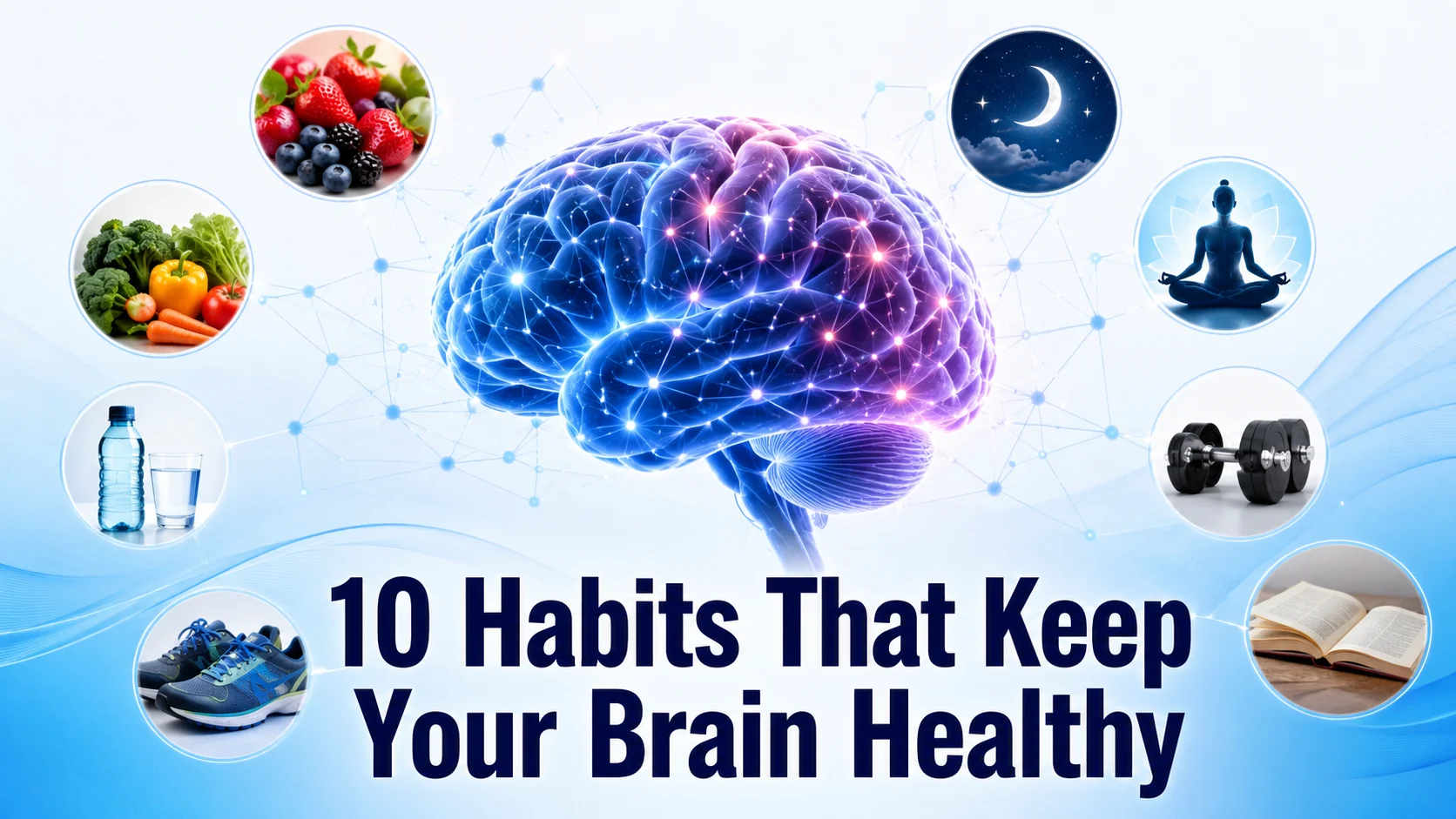
Your brain helps you think, learn, remember, move and manage your emotions. Just like the rest of your body, it benefits from healthy daily habits. Regular exercise, nutritious food, sufficient sleep and control of health conditions can all contribute to better overall brain health.
The good news is that you do not need an expensive brain-training programme or special supplements to get started. Simple changes, such as walking regularly, sleeping on a consistent schedule and staying connected with family and friends, can make a practical difference to your health and daily well-being.
What should you remember?
Brain health depends on several factors working together. Healthy habits may help reduce some risks associated with cognitive decline, but they cannot guarantee that memory loss, Alzheimer’s disease or other forms of dementia will be prevented.
In This Article
- Stay physically active
- Eat a balanced diet
- Get enough quality sleep
- Manage blood pressure, blood sugar and cholesterol
- Keep your brain mentally active
- Stay socially connected
- Manage stress and emotional health
- Avoid smoking and harmful alcohol use
- Look after your hearing and vision
- Protect your head and attend health check-ups
Why Is It Important to Keep Your Brain Healthy?
Brain health includes more than memory. It also involves attention, language, decision-making, movement, balance, emotional responses and the ability to carry out everyday activities.
As people grow older, some changes in thinking speed and memory can occur. However, significant memory problems, confusion or difficulty managing normal activities should not automatically be dismissed as a normal part of ageing.
Conditions such as high blood pressure, diabetes, stroke, depression and hearing loss can affect brain health. Lifestyle choices and access to appropriate medical care can help address some of these risks.
10 Daily Habits That Help Support Brain Health
1 Stay Physically Active
Regular physical activity benefits your heart, blood vessels, muscles and brain. It can support mood, sleep and some aspects of thinking. Physical activity also helps manage health conditions such as high blood pressure and type 2 diabetes, which are relevant to brain health.
You do not have to begin with intense exercise. Walking, cycling, dancing, swimming, gardening and suitable home exercises are all possible options. Choose activities according to your current fitness, balance and medical needs.
What can you do today?
- Start with a short walk and increase the time gradually as tolerated.
- Break up long periods of sitting with movement.
- Choose activities you enjoy so that you are more likely to continue.
- Include balance and strength activities appropriate for your ability.
Many adults can work towards around 150 minutes of moderate-intensity aerobic activity each week, in line with public-health recommendations. You can build up gradually rather than trying to reach the target immediately. If you have a chronic condition, chest pain with exercise, significant mobility problems or have been inactive for a long time, ask your healthcare professional what level of activity is appropriate.
2 Eat a Balanced, Nutritious Diet
Your brain needs energy and nutrients to function normally. A varied diet that includes vegetables, fruits, whole grains, pulses, nuts, seeds and appropriate sources of protein can support general health and help manage cardiovascular risk factors.
You can follow these principles with familiar Indian foods. Dal, beans, green leafy vegetables, seasonal fruit, oats, whole-wheat roti, millets, curd and suitable amounts of nuts can all fit into a balanced eating pattern.
Try these simple food habits:
- Include vegetables in your main meals.
- Eat whole fruit rather than depending on fruit juice.
- Include dal, beans, eggs, dairy, tofu, fish or another suitable protein source.
- Choose whole grains regularly where appropriate.
- Limit frequent consumption of highly processed snacks, excess salt and sugary drinks.
No single food can guarantee better memory or prevent dementia. Supplements should not replace a balanced diet, and they are not automatically necessary for everyone.
Read our guide to the best foods for brain health for more practical food choices and meal ideas.
3 Get Enough Quality Sleep
Sleep supports attention, learning, memory and emotional well-being. Regularly getting poor-quality sleep can make it harder to concentrate, react quickly and manage daily tasks.
Many adults need at least seven hours of sleep a night, although individual needs vary. The quality of sleep matters too. Repeated waking, loud snoring, gasping during sleep or persistent daytime sleepiness may indicate a problem that deserves medical attention.
Habits that may improve your sleep:
- Go to bed and wake up at similar times each day.
- Keep your bedroom quiet, dark and comfortable.
- Reduce caffeine later in the day if it affects your sleep.
- Avoid heavy meals close to bedtime if they disturb your sleep.
- Make time to relax before going to bed.
- Seek medical advice for persistent insomnia or suspected sleep apnoea.
Do not rely on alcohol to help you sleep. It can disrupt sleep quality even when it makes you feel sleepy at first.
4 Manage Blood Pressure, Blood Sugar and Cholesterol
The brain depends on a healthy blood supply. High blood pressure can damage blood vessels and increase the risk of stroke. Diabetes and high cholesterol can also contribute to cardiovascular problems that affect brain health.
These conditions may not always cause noticeable symptoms. Feeling well does not necessarily mean your blood pressure or blood sugar is within a healthy range.
Protect your health by:
- Checking your blood pressure as advised by your healthcare professional.
- Having blood sugar and cholesterol tests when recommended.
- Taking prescribed medicines as directed.
- Following an eating and activity plan that fits your health needs.
- Attending follow-up appointments and discussing side effects before changing medication.
If you have diabetes, high blood pressure or high cholesterol, controlling the condition is an important part of protecting your long-term health. Do not stop or adjust prescribed treatment because you feel better.
5 Keep Your Brain Mentally Active
Learning and mentally engaging activities give you opportunities to practise attention, language, memory and problem-solving. The most useful activity is one that interests you and is challenging enough to keep you engaged.
Activities you can try include:
- Reading a book, newspaper or a topic that interests you.
- Learning a language, musical instrument or practical skill.
- Playing chess, solving puzzles or doing crosswords.
- Cooking a new recipe or learning a craft.
- Taking a course or discussing new ideas with other people.
You do not have to spend money on commercial brain-training apps. Everyday activities can provide mental stimulation. However, improving at a particular game does not necessarily mean that your overall memory will improve or that dementia will be prevented.
6 Stay Connected with Family and Friends
Social connection is important for emotional well-being and may be associated with better cognitive health as people age. Conversation and shared activities involve listening, remembering, responding and interpreting other people’s expressions and emotions.
You do not need a large social circle. A few meaningful relationships can be valuable. Social contact may come from family meals, friendships, community events, volunteering, religious or cultural gatherings, or a group centred on a favourite activity.
Ways to make connection part of your routine:
- Call or meet a friend or relative regularly.
- Share a meal or go for a walk with someone.
- Join a hobby or community group.
- Offer help to others when you are able.
- If travel is difficult, use a phone or video call to stay in touch.
If loneliness is affecting your mood or daily functioning, tell someone you trust and consider speaking with a healthcare professional or counsellor.
7 Manage Stress and Look After Your Emotional Health
Stress is a normal response to challenges. However, ongoing stress, anxiety or depression can affect sleep, concentration, motivation and daily life. Looking after emotional health is part of looking after your overall health.
Healthy ways to manage everyday stress include:
- Taking short breaks during a demanding day.
- Trying slow breathing or relaxation exercises.
- Maintaining regular physical activity and sleep habits.
- Talking to someone you trust about your concerns.
- Breaking large tasks into smaller, manageable steps.
Relaxation techniques can help some people manage stress, but they are not a substitute for medical care when symptoms are severe or persistent. Seek professional support if anxiety, low mood or stress makes it difficult to work, sleep, maintain relationships or carry out everyday activities.
Learn more in our article: Can stress cause neurological problems?
8 Avoid Smoking and Harmful Alcohol Use
Smoking damages blood vessels and raises the risk of several health problems, including stroke. Harmful alcohol use can affect the brain, liver, heart, sleep and mental health. Avoiding tobacco and reducing alcohol-related harm support overall health.
Steps you can take:
- If you smoke or use tobacco, ask a healthcare professional about ways to quit.
- Seek support if you find it difficult to stop smoking or drinking.
- Avoid using alcohol as a sleep aid or a way to manage stress.
- Do not start drinking alcohol for supposed brain-health benefits.
If you drink heavily or every day, seek medical advice before stopping suddenly. Withdrawal can be dangerous for some people and may require supervised treatment.
9 Look After Your Hearing and Vision
Hearing and vision help you communicate, understand your surroundings and remain active in daily life. Uncorrected hearing or vision problems can make conversation, social participation and everyday activities more difficult.
Hearing loss is also associated with a higher risk of cognitive decline. This does not mean that everyone with hearing loss will develop dementia, or that hearing aids can guarantee prevention. Getting hearing problems assessed and treated can help improve communication and quality of life.
What you can do:
- Arrange a hearing assessment if you often ask people to repeat themselves.
- Seek advice if television or phone volume needs to be unusually high.
- Have vision checked when recommended and use prescribed glasses.
- Discuss hearing aids or other suitable treatments with an appropriate professional.
- Protect your ears from dangerously loud noise.
Sudden hearing loss, sudden loss of vision or a sudden change in neurological function requires urgent medical assessment.
10 Protect Your Head and Attend Regular Health Check-Ups
Head injuries can affect memory, concentration, balance and other brain functions. Preventing falls and using suitable protective equipment during risky activities can reduce avoidable injuries.
Simple ways to reduce risk include:
- Wear a properly fitted helmet when riding a two-wheeler or cycling.
- Use seat belts in vehicles.
- Keep walkways clear and improve lighting at home to reduce falls.
- Follow safety recommendations for sports and work.
- Seek medical advice after a significant head injury, especially if symptoms appear or worsen.
Regular healthcare visits also help identify and manage conditions that may affect brain health. Discuss memory concerns, mood changes, sleep difficulties, medication effects or changes in your ability to manage everyday activities.
Do not wait for a routine appointment if symptoms are sudden or severe. A possible stroke or other acute neurological problem requires emergency assessment.
A Simple Daily Routine for Better Brain Health
Building healthy habits is often easier when you connect them to activities you already do. Use this example as a flexible starting point, not a strict medical prescription.
| Part of the day | Habit to try |
|---|---|
| Morning | Wake up at a consistent time, eat a balanced breakfast and take a walk if appropriate. |
| During the day | Take movement breaks, eat balanced meals and follow your prescribed medication plan. |
| Afternoon or evening | Make time for a hobby, learning activity or conversation with a friend or relative. |
| Before bed | Reduce stimulating activities, follow a relaxing routine and aim for sufficient sleep. |
| Regularly | Attend recommended health checks and follow up on blood pressure, blood sugar, hearing, vision and other health concerns. |
You do not have to change everything at once. Choose one or two habits that feel realistic, practise them consistently, and gradually add others. Adapt your routine to your work schedule, health, age, mobility and responsibilities.
Can Healthy Habits Prevent Dementia?
Healthy habits can help address some factors associated with cognitive decline and dementia. These include physical inactivity, smoking, harmful alcohol use, high blood pressure, diabetes and some other health conditions.
However, dementia has many causes, and not all risk factors can be changed. Age, genetics and other medical or environmental factors also matter. Researchers continue to study which interventions are most effective for different people.
The most responsible approach is to make healthy choices, manage medical conditions, seek appropriate treatment and remain alert to changes in thinking or daily functioning. No lifestyle programme can guarantee that Alzheimer’s disease or dementia will be avoided.
Memory Problems: When Should You See a Doctor?
Occasionally forgetting a name or misplacing an item can happen to anyone. However, repeated memory problems deserve attention when they become more frequent, worsen over time or interfere with daily activities.
Speak with a healthcare professional if you or a family member notices:
- Increasing difficulty remembering recently learned information.
- Repeatedly asking the same questions or forgetting important appointments.
- Difficulty managing medicines, money, familiar tasks or usual responsibilities.
- Getting confused about familiar places or routines.
- Changes in language, judgement, personality or behaviour.
Memory difficulties can have different causes, including medication effects, sleep problems, depression and certain medical conditions. A clinician can assess the symptoms and decide whether further tests or treatment are needed.
Recognise the warning signs of a stroke.
Sudden facial drooping, weakness or numbness on one side, difficulty speaking, sudden vision loss, loss of balance or a sudden severe headache can signal a medical emergency. Call your local emergency number immediately. Do not wait to see whether symptoms go away.
Read more: 10 stroke symptoms that require immediate medical attention.
Frequently Asked Questions
1. What are the best habits for brain health?
Regular physical activity, balanced eating, sufficient sleep, social connection, mental stimulation and management of health conditions are useful habits. Avoiding tobacco and harmful alcohol use and treating hearing or vision problems are also important.
2. How can I improve brain health naturally?
Start with manageable changes: walk regularly, eat a variety of nutritious foods, maintain a consistent sleep schedule, stay connected with other people and follow treatment advice for health conditions. These steps support overall health but cannot guarantee protection from dementia.
3. How much sleep is important for brain health?
Many adults need at least seven hours of sleep per night. Sleep requirements vary, and persistent poor sleep, loud snoring or severe daytime sleepiness should be discussed with a healthcare professional.
4. Does walking help brain health?
Walking is a practical form of physical activity. Regular activity supports cardiovascular health, mood and sleep and may benefit aspects of thinking. Start at a level suitable for your fitness and medical needs.
5. Which foods help support brain health?
A varied diet containing vegetables, fruit, whole grains, pulses, nuts, seeds and suitable protein sources can support overall health. No single food has been proven to prevent dementia or guarantee better memory.
6. Can puzzles prevent dementia?
Puzzles and other mentally engaging activities can provide stimulation and enjoyment. However, there is no guarantee that doing puzzles alone will prevent dementia. A varied approach to physical, social and general health is more useful.
7. Is memory loss a normal part of ageing?
Some changes in memory and thinking speed may occur with age, but significant or worsening memory loss is not something to ignore. Seek medical advice if symptoms interfere with daily life.
8. Can stress affect concentration and memory?
Stress, anxiety and poor sleep can make concentration and memory more difficult. Persistent symptoms may need professional assessment, especially when they affect daily functioning.
Related Articles on Digital Facilities
Explore these related health guides for more information about brain health and neurological symptoms:
- Best Foods for Brain Health
- 15 Early Signs of Parkinson’s Disease You Shouldn’t Ignore
- 10 Stroke Symptoms That Require Immediate Medical Attention
- Can Stress Cause Neurological Problems?
- Migraine vs Headache: What’s the Difference?
Medical disclaimer: This article is for general educational purposes only. It is not a substitute for professional medical advice, diagnosis or treatment. Health needs differ between individuals. Consult a qualified healthcare professional for personalised guidance, particularly if you have a chronic condition, persistent memory problems or new neurological symptoms.


