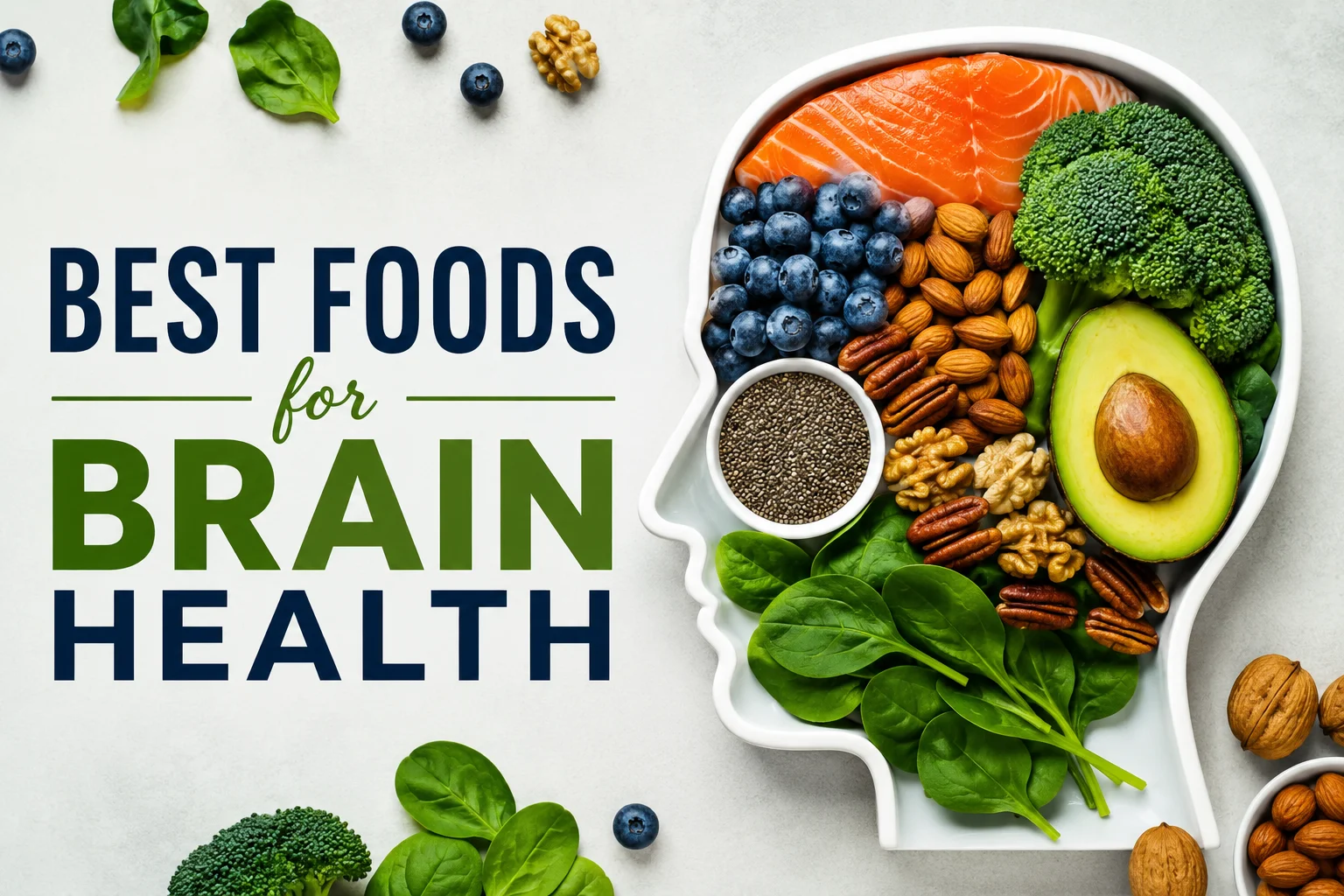
What you eat is an important part of your overall health, including the health of your brain. A balanced diet provides nutrients that support normal brain function, nerve cells and the blood vessels that supply the brain. Everyday foods such as vegetables, fruit, whole grains, nuts, seeds and pulses can help you build healthy eating habits.
You do not need expensive supplements or exotic ingredients to eat well. Many affordable foods commonly available in India can form part of a balanced, brain-friendly diet. The key is to eat a variety of nutritious foods regularly rather than relying on one so-called superfood.
Why Does Food Matter for Brain Health?
Your brain needs energy and a range of nutrients to function normally. Healthy fats help form cell membranes, protein provides amino acids, and vitamins and minerals support many processes in the nervous system. Carbohydrates provide glucose, an important energy source for the brain.
Food also affects general health. Managing blood pressure, blood sugar and cholesterol is important for cardiovascular health, which is closely connected with brain health. A varied diet is one part of a healthy lifestyle, alongside regular physical activity, good sleep and appropriate medical care.
10 Best Foods for Brain Health
1. Fatty Fish
Sardines, salmon and mackerel provide omega-3 fatty acids. DHA is an important component of brain cell membranes. Eating fish can fit into a healthy diet, although it has not been proven to prevent dementia on its own.
How to eat it: Try cooked fish curry, grilled fish or steamed fish if it suits your diet.
2. Leafy Green Vegetables
Spinach, amaranth leaves and fenugreek leaves provide folate, vitamin K, fibre and other nutrients. Eating a variety of vegetables helps you meet your nutritional needs.
How to eat them: Add greens to dal, vegetable curry, chapati fillings or soups.
3. Berries and Other Fruits
Berries contain fibre and plant compounds called flavonoids. Other fruits, including guava, oranges, papaya and apples, also supply useful nutrients and fibre. No single fruit has been proven to be the best for memory.
How to eat them: Choose whole fruit as a snack or add it to breakfast.
4. Walnuts and Other Nuts
Walnuts contain plant-based omega-3 fat called ALA. Almonds and peanuts provide unsaturated fats, protein and other nutrients. Nuts are useful additions to a balanced diet but are not a treatment for memory loss.
How to eat them: Choose a small portion of unsalted nuts, if suitable for you.
5. Seeds
Flaxseed and chia seeds contain ALA omega-3 fat. Pumpkin seeds provide minerals such as magnesium and zinc. Seeds can add variety, fibre and nutrients to everyday meals.
How to eat them: Add ground flaxseed to porridge or sprinkle seeds over salads and curd.
6. Whole Grains
Oats, whole-wheat roti, millets and other whole grains provide carbohydrates, fibre and several vitamins and minerals. Replacing some refined grains with whole grains can support overall metabolic health.
How to eat them: Choose oats for breakfast and rotate suitable whole grains into lunch and dinner.
7. Beans, Lentils and Pulses
Dal, chickpeas, kidney beans and green gram provide plant protein, fibre, folate and minerals. These affordable foods can help make meals more nutritious and satisfying.
How to eat them: Include dal with meals, make chickpea curry or add beans to salads.
8. Eggs, Milk and Curd
Eggs and dairy foods provide protein and other nutrients. Eggs, dairy, fish, meat and fortified foods can provide vitamin B12, which is important for normal nerve function.
How to eat them: Choose eggs, plain curd, milk, tofu or fortified alternatives according to your preferences and needs.
9. Olive Oil and Other Unsaturated Oils
Unsaturated fats can be part of a heart-healthy eating pattern. Olive oil is used in Mediterranean-style diets, but suitable vegetable oils can also fit into a balanced Indian diet.
How to use them: Use cooking oils in moderate amounts and limit frequent deep-frying.
10. Water and Unsweetened Drinks
Not drinking enough fluid can contribute to dehydration, which may cause headaches, tiredness or difficulty concentrating. Drinking beyond your body’s needs does not automatically improve memory.
How to use them: Drink water regularly, unless your healthcare professional has advised a fluid restriction.
Which Diet Is Best for Brain Health?
Mediterranean-style diets and the MIND diet have been studied for their possible relationship with cognitive health. They emphasise vegetables, fruit, whole grains, pulses, nuts and suitable protein sources while limiting excess highly processed foods.
Some studies have linked these eating patterns with better cognitive outcomes. However, findings are mixed, and research has not established that following a specific diet will prevent Alzheimer’s disease or dementia.
You can use the same general principles in everyday Indian meals. Choose a variety of vegetables, fruit, whole grains, pulses and suitable fats, and adapt portions to your needs and preferences.
A Simple Indian Meal Plan for Brain Health
You do not need a strict or expensive meal plan. The following example shows how common foods can fit into a varied eating pattern. Adjust portions to your age, activity level, appetite and medical needs.
| Meal | Food options |
|---|---|
| Breakfast | Vegetable oats, idli with sambar, or whole-wheat toast with egg and fruit. |
| Mid-morning | A seasonal fruit such as guava, orange or papaya. |
| Lunch | Roti or rice with dal, vegetables and curd. |
| Evening snack | A small portion of unsalted nuts or roasted chickpeas, if suitable. |
| Dinner | Vegetables with pulses, eggs, tofu or fish, alongside a suitable grain. |
This is a general example, not an individual prescription. People with diabetes, kidney disease, food allergies or other medical conditions may need dietary adjustments.
Foods to Limit for Overall Health
You do not need to completely avoid every treat. Focus on your overall eating pattern and how often you consume foods that are high in added sugar, salt or unhealthy fats.
- Sugary drinks: Limit soft drinks and beverages with large amounts of added sugar.
- Highly processed snacks: Avoid relying on packaged snacks and fast food as your main sources of nutrition.
- Excess salt: High salt intake can make blood pressure harder to manage.
- Frequent deep-fried foods: Choose a variety of cooking methods.
- Excess alcohol: Alcohol can affect sleep, judgement and overall health. Do not start drinking for supposed brain benefits.
Can Food Prevent Memory Loss or Dementia?
Healthy eating supports overall health and may be associated with better cognitive outcomes. However, no individual food or diet has been proven to prevent dementia. Brain health is influenced by many factors, including age, genetics, sleep, physical activity, blood pressure, diabetes and smoking.
If you or a family member develops persistent memory problems that affect everyday life, arrange a medical assessment. Do not assume that memory changes are caused by diet or ageing alone.
Do Brain Health Supplements Work?
Be cautious about products marketed as memory boosters or dementia-prevention supplements. Taking extra vitamins or omega-3 supplements has not been shown to reliably prevent cognitive decline in people who do not have a relevant deficiency.
Supplements may be appropriate when a deficiency or specific medical need has been identified. Ask a qualified healthcare professional before starting supplements, particularly if you take medicines or have a long-term health condition.
Other Habits That Support Brain Health
- Stay physically active: Choose regular movement that suits your health and ability.
- Get enough sleep: Maintain a regular sleep routine and seek help for persistent sleep problems.
- Manage blood pressure and blood sugar: Follow recommended screening and treatment advice.
- Avoid smoking: Smoking harms blood vessels and overall health.
- Stay socially and mentally engaged: Make time for hobbies, conversation, reading and activities you enjoy.
Related Health Articles
- 15 Early Signs of Parkinson’s Disease You Shouldn’t Ignore
- 10 Stroke Symptoms That Require Immediate Medical Attention
- Can Stress Cause Neurological Problems?
When Should You Speak to a Doctor?
Seek medical advice if memory changes, confusion, difficulty concentrating or other neurological symptoms persist or interfere with everyday life. These symptoms can have several causes and may require assessment.
Sudden confusion, facial drooping, weakness or numbness on one side, difficulty speaking, sudden loss of vision, or a sudden severe headache may indicate a medical emergency such as a stroke. Call your local emergency number immediately rather than trying food or supplements.
Frequently Asked Questions
1. What are the best foods for brain health?
Vegetables, fruits, whole grains, pulses, nuts, seeds and suitable protein sources such as fish, eggs, dairy or tofu can all form part of a balanced diet that supports overall health.
2. Which fruit is best for memory?
No single fruit has been proven to be the best for memory. Berries have been studied for their plant compounds, while guava, oranges, papaya and other whole fruits provide useful nutrients and fibre.
3. Are walnuts good for the brain?
Walnuts provide plant-based omega-3 fat called ALA, along with other nutrients. They can be included in a balanced diet but are not a proven treatment for memory problems.
4. Can a healthy diet prevent Alzheimer’s disease?
No food or diet has been proven to prevent Alzheimer’s disease. Some studies associate healthy eating patterns with cognitive health, but the evidence remains mixed.
5. Do I need supplements for better memory?
Not everyone needs supplements. They may help with a diagnosed deficiency or specific medical need, but taking extra vitamins is not a proven way to prevent dementia in otherwise adequately nourished people.
6. Is coffee good for brain health?
Caffeine may temporarily improve alertness in some people. Too much can affect sleep, increase anxiety or cause palpitations. Coffee is not a treatment for memory problems.
7. What is a simple Indian diet for brain health?
A practical starting point is to include vegetables, dal or beans, a suitable grain, fruit and a protein source such as curd, eggs, tofu or fish. Adjust the choices to your health needs and preferences.
Final Thoughts
The best foods for brain health are everyday foods that help you maintain a balanced and varied diet. Leafy vegetables, fruit, whole grains, pulses, nuts, seeds and suitable protein sources all contribute to good nutrition.
Rather than relying on one miracle food, focus on habits you can maintain. Eat a variety of foods, stay active, get adequate sleep and manage health conditions with appropriate medical care. If memory changes persist, seek advice from a qualified healthcare professional.
Medical disclaimer: This article is for general educational purposes only and is not a substitute for professional medical advice, diagnosis or treatment. Nutritional needs differ between individuals. Consult a qualified healthcare professional or registered dietitian for personalised advice, particularly if you have a medical condition or take regular medication.


Vitamin B12 Deficiency: Symptoms, Causes & Treatment |
October 27, 2026[…] Related reading: Best Foods for Brain Health. […]