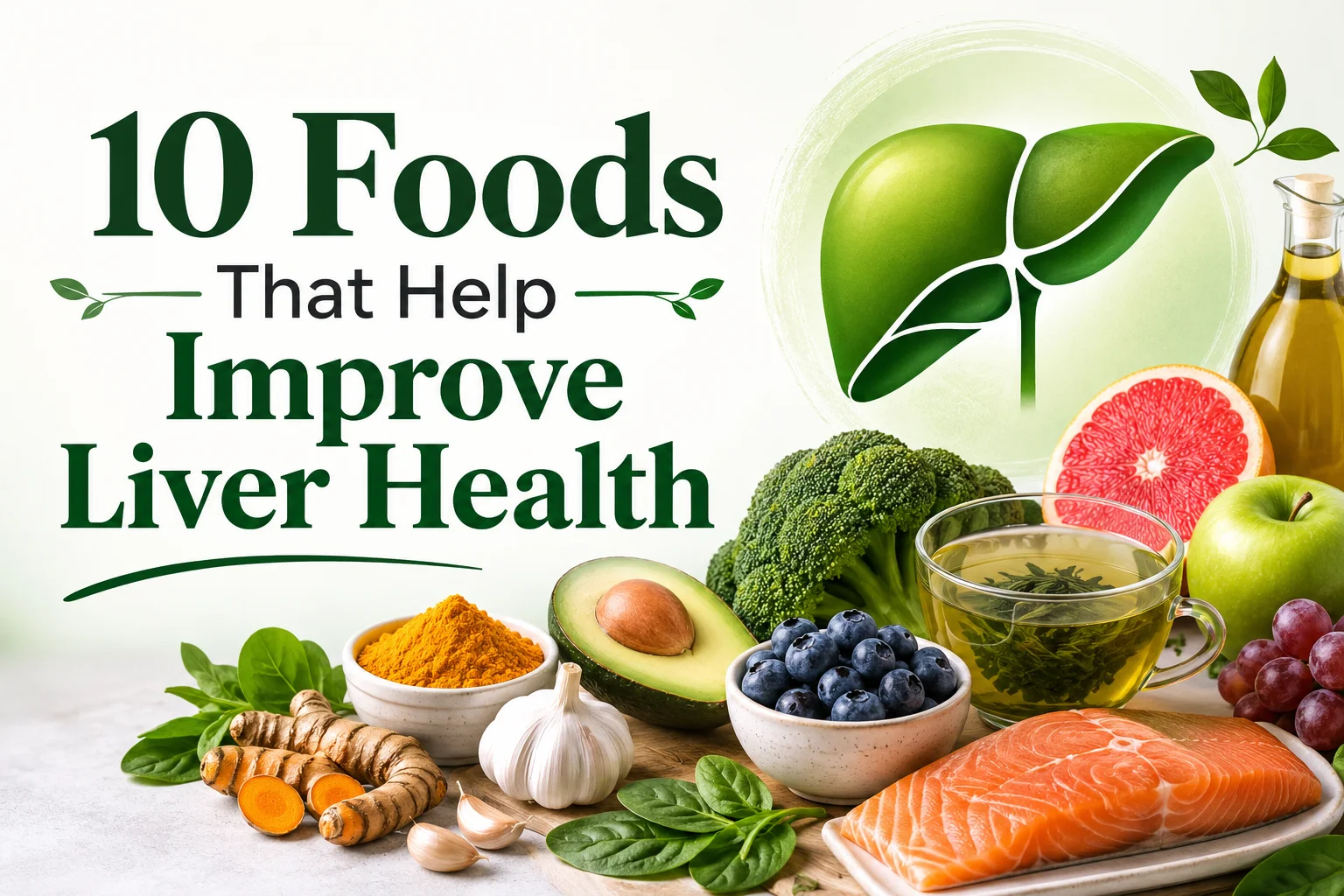
Your liver works every day to process nutrients, produce bile and perform essential functions. Simple food choices can support your overall health. Discover 10 nutritious foods to include in your meals and everyday habits that can help you care for your liver.
Looking after your liver does not mean buying expensive detox drinks or following a restrictive diet. A balanced eating pattern built around vegetables, whole grains, fruit, legumes, nuts and suitable protein sources is a more practical place to start.
No single food can cleanse your liver or cure liver disease. Consistent eating habits, regular physical activity and appropriate medical care matter more than any individual ingredient.
Why Does Your Diet Matter for Liver Health?
Your everyday diet can influence body weight, blood sugar and other aspects of metabolic health. These factors are particularly important for people at risk of metabolic dysfunction-associated steatotic liver disease (MASLD), previously known as non-alcoholic fatty liver disease (NAFLD).
Eating a variety of fibre-rich foods and choosing healthier sources of fat can support a balanced diet. However, liver conditions can have different causes, including viral infections, alcohol, inherited conditions and some medicines. Food choices alone cannot treat every liver problem.
10 Foods That Can Support Liver Health
These everyday foods can fit into a balanced eating pattern. Choose the options you enjoy and can regularly include in your meals.
Leafy Green Vegetables
Spinach, amaranth leaves and fenugreek leaves provide fibre, vitamins and minerals. They can add nutrition and variety without contributing many calories.
Oats and Whole Grains
Oats, barley and whole-wheat roti provide fibre. Choosing whole grains more often can support a balanced diet and help replace some refined, heavily processed foods.
Whole Fruits and Berries
Apples, guavas, oranges, pears and berries provide fibre and useful plant nutrients. Whole fruit is generally a better everyday choice than relying on juice.
Cruciferous Vegetables
Broccoli, cauliflower and cabbage provide fibre and naturally occurring plant compounds. They are useful additions to a varied diet, not liver detox treatments.
Beans and Lentils
Dal, chickpeas, kidney beans and other pulses offer plant protein and fibre. They are versatile ingredients for nutritious, satisfying everyday meals.
Nuts and Seeds
Walnuts, almonds, peanuts, flaxseeds and chia seeds contain unsaturated fats, fibre or other useful nutrients. Portion size still matters because nuts are energy-dense.
Oily Fish
Sardines, salmon and mackerel provide protein, and oily varieties also supply omega-3 fatty acids. Fish can form part of a balanced eating pattern.
Unsaturated Oils
Replacing some saturated fats with unsaturated fats can support a healthier overall diet. Olive oil and suitable vegetable oils can be used in everyday cooking.
Coffee with Little Added Sugar
Research has linked coffee with some favourable liver outcomes, but coffee is not a treatment and is not essential for everyone. Sweetened drinks may add excess sugar.
Garlic and Fresh Herbs
Garlic, ginger, coriander and other herbs add flavour to meals. They can help you prepare enjoyable dishes without depending as much on excess salt or rich sauces.
Foods and Drinks to Limit
A healthy diet is about your overall pattern, not about being perfect at every meal. Consider reducing the following where they are a regular part of your diet.
Detox teas, cleanses and herbal supplements are not a substitute for medical care. Some supplements can damage the liver or interact with medicines. Speak to a healthcare professional before using them, particularly if you have liver disease.
A Simple Liver-Friendly Meal Plan
Here is one example of how nutritious foods can fit into an everyday Indian-style diet. Adjust portions and ingredients to suit your needs and health conditions.
| Meal | Example | Helpful feature |
|---|---|---|
| Breakfast | Plain oats, nuts and whole fruit | Fibre and variety |
| Lunch | Roti or a suitable portion of rice, dal and vegetables | Grains, plant protein and vegetables |
| Snack | Whole fruit or a small handful of unsalted nuts | A nutritious alternative to sugary snacks |
| Dinner | Vegetables with beans, tofu, eggs or fish and a suitable grain | Balanced food groups |
People with advanced liver disease may have specific nutritional needs. They should seek an individualised plan from their healthcare team instead of relying on a general meal guide.
5 Everyday Habits to Care for Your Liver
Learn more about the relationship between high blood pressure and diabetes . For another health topic, you can also read our guide to stomach bloating after eating .
When Should You See a Doctor?
Liver disease may not cause obvious symptoms in its early stages. If you have diabetes, excess weight, a history of hepatitis, significant alcohol exposure or abnormal liver blood tests, ask a healthcare professional whether you need an assessment.
Seek prompt medical attention for yellowing of the skin or eyes, dark urine, unusually pale stools or persistent abdominal swelling. Sudden severe abdominal pain, confusion, vomiting blood or black, tarry stools require urgent medical assessment.
Frequently Asked Questions
1. Which foods are best for liver health?
Vegetables, whole fruits, whole grains, beans, nuts and suitable protein sources are useful parts of a balanced diet. No single food is best for everyone or can guarantee a healthy liver.
2. Can food reverse fatty liver?
Dietary changes and other lifestyle measures can improve fatty liver disease in some people. The right approach depends on the cause and severity, so follow your clinician’s advice.
3. Does lemon water detox the liver?
No. Lemon water can help you enjoy drinking fluids, but it does not cleanse the liver. Balanced nutrition and appropriate medical care are more useful than detox claims.
4. Is coffee good for liver health?
Research links coffee with certain favourable liver outcomes, but it is not a treatment or a requirement. Consider caffeine tolerance and your individual health needs.
5. Which foods should I avoid with fatty liver?
Reducing sugary drinks, excess added sugar and highly processed foods can improve overall diet quality. A personalised plan may be needed depending on your diagnosis and health conditions.
6. Are liver supplements safe?
Safety and evidence vary between products. Some supplements can cause liver injury or interact with medicines. Consult a qualified healthcare professional before taking them.
Small Changes Can Make a Difference
Caring for your liver starts with everyday choices, not expensive cleanses or strict food rules. Eat a variety of nutritious foods, stay active, limit sugary drinks and seek medical advice when needed.
If you have symptoms or a diagnosed liver condition, remember that healthy eating supports care but does not replace proper diagnosis or treatment.
Medical disclaimer: This article is for general educational purposes and is not a substitute for professional medical advice, diagnosis or treatment. Nutrition needs vary by individual and by the type and stage of liver disease. Consult a qualified healthcare professional for personalised guidance.


