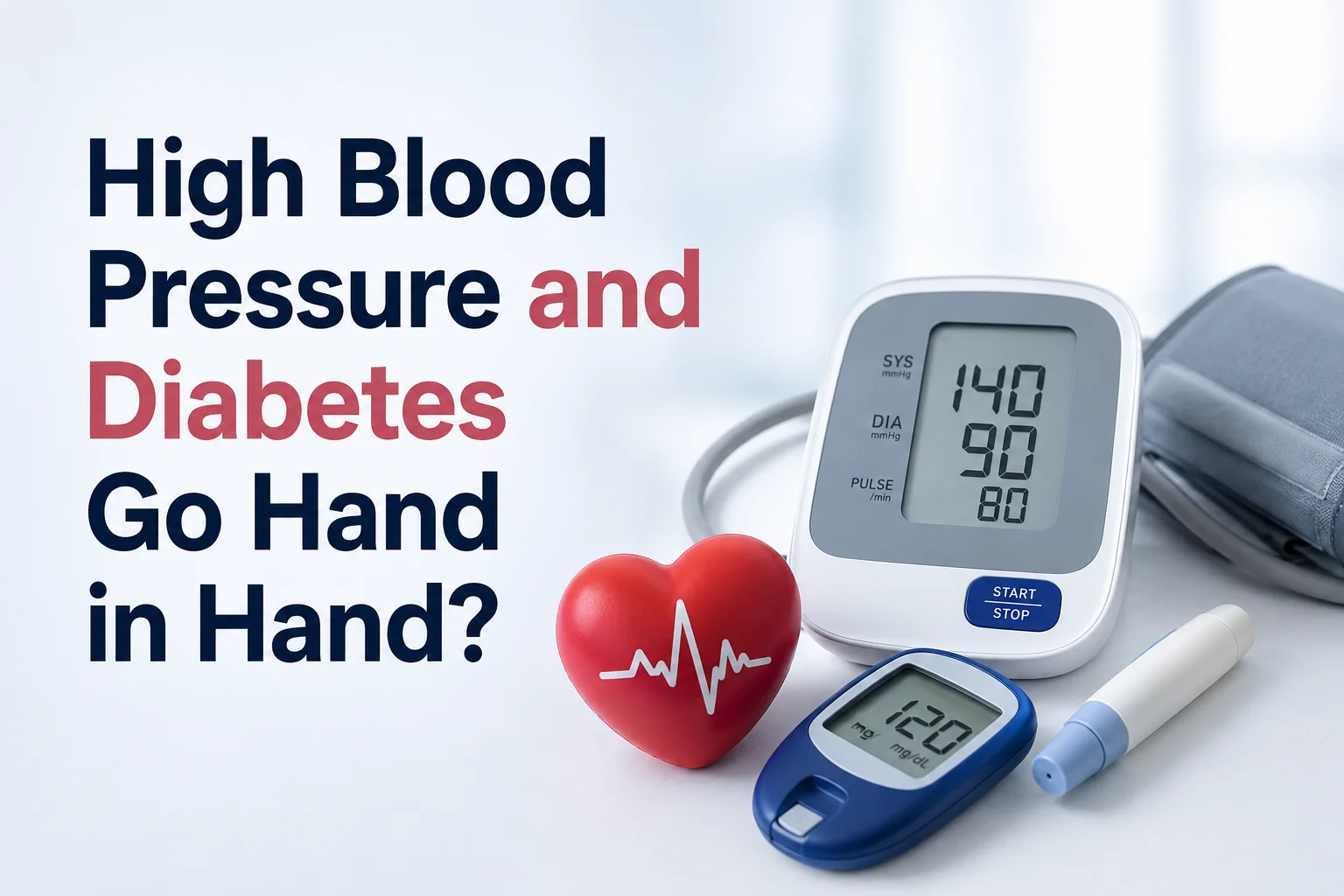
High blood pressure and diabetes often occur together. Although they are different health conditions, they share several risk factors and can affect the same organs, especially the heart, blood vessels and kidneys. Managing both conditions together is an important step towards protecting your long-term health.
A person may have high blood pressure or diabetes without noticing obvious symptoms. That is why regular health checks, appropriate blood tests and following medical advice matter, even when you feel well. Understanding how these conditions are connected can help you take practical steps to manage your health.
What Is High Blood Pressure?
High blood pressure, also called hypertension, occurs when the force of blood against the walls of your arteries remains higher than recommended. Over time, this can strain the heart and damage blood vessels.
Blood pressure is recorded using two numbers. The top number, systolic pressure, measures pressure when the heart beats. The bottom number, diastolic pressure, measures pressure between beats.
A single elevated reading does not always mean you have hypertension. Diagnosis usually depends on properly measured readings taken on more than one occasion, with home or ambulatory monitoring when appropriate.
Read our guide to high blood pressure symptoms to learn more about hypertension and why regular blood pressure checks are important.
What Is Diabetes?
Diabetes is a condition in which blood glucose, also called blood sugar, remains too high. This can happen because the body does not produce enough insulin or cannot use insulin effectively. Insulin is a hormone that helps glucose move from the bloodstream into cells.
The main types include type 1 diabetes, type 2 diabetes and gestational diabetes, which develops during pregnancy. Each type has different causes and management needs.
Over time, persistently high blood glucose can damage blood vessels and nerves. It can affect the heart, kidneys, eyes and other parts of the body. Blood glucose testing and appropriate follow-up help detect and manage diabetes.
Learn more about the warning signs of diabetes. Symptoms can raise concerns, but testing is needed to diagnose the condition.
Why Do High Blood Pressure and Diabetes Often Occur Together?
There is no single explanation for why these conditions occur together. They share several risk factors, and each condition can contribute to damage that makes managing overall health more difficult.
1. Insulin resistance
Insulin resistance occurs when the body’s cells do not respond to insulin as effectively as they should. The pancreas may initially produce more insulin to compensate. Insulin resistance is common in type 2 diabetes and is often associated with other metabolic risk factors, including high blood pressure.
2. Excess body weight and metabolic health
For some people, excess body fat can contribute to insulin resistance and raise the likelihood of developing high blood pressure. Body weight is only one factor, however. Genetics, age, medicines, sleep, stress and other health conditions can also influence risk.
3. Blood vessel damage
High blood glucose can damage blood vessels over time. High blood pressure places additional strain on artery walls. When both conditions are present, the combined effects can increase the risk of cardiovascular complications.
4. Kidney function
The kidneys help regulate fluid balance and blood pressure. Diabetes can damage the tiny blood vessels that filter waste from the blood, while high blood pressure can further damage the kidney’s filtering system. Kidney disease can also make blood pressure harder to control.
5. Shared lifestyle and family risk factors
Family history, physical inactivity, a diet high in sodium, smoking, poor sleep and some other health factors can contribute to the risk of one or both conditions. These factors do not affect everyone in the same way, and having them does not mean that a person will definitely develop diabetes or hypertension.
What Happens When You Have Both Conditions?
Having diabetes and high blood pressure at the same time can increase the risk of complications, particularly when either condition remains uncontrolled.
- Heart disease: Damage to blood vessels and other cardiovascular risk factors can raise the chance of heart attack and heart failure.
- Stroke: High blood pressure and diabetes can both increase the risk of stroke.
- Kidney disease: Both conditions can damage the kidneys and contribute to chronic kidney disease.
- Eye complications: Diabetes can damage the retina, and high blood pressure may also affect the blood vessels in the eyes.
- Nerve damage: Persistently high blood glucose can damage nerves, particularly in the feet and legs.
These complications do not happen to everyone. Monitoring your blood pressure, blood glucose, cholesterol and kidney health helps your healthcare team identify concerns and adjust treatment when needed.
Can You Have High Blood Pressure or Diabetes Without Symptoms?
Yes. High blood pressure often causes no noticeable symptoms, even when readings are significantly elevated. Type 2 diabetes can also develop gradually, and some people have few or no symptoms at first.
Possible diabetes symptoms include increased thirst, frequent urination, tiredness, blurred vision and unexplained weight changes. These symptoms can have other causes, so they should not be used alone to diagnose diabetes.
How Are High Blood Pressure and Diabetes Diagnosed?
Your healthcare professional may recommend different tests depending on your medical history, symptoms, age and risk factors.
| Test or assessment | What it checks |
|---|---|
| Blood pressure measurement | Measures the force of blood against artery walls. Repeated readings may be needed to confirm hypertension. |
| Fasting blood glucose | Measures blood glucose after a period without food, as instructed by the healthcare team. |
| HbA1c test | Estimates average blood glucose over approximately the previous two to three months. |
| Cholesterol test | Helps assess cardiovascular risk and guide prevention strategies. |
| Kidney blood and urine tests | Can assess kidney function and check for albumin, a protein that may appear in urine when kidney damage is present. |
Your clinician will interpret test results using appropriate diagnostic criteria and your overall health information. Ask how often you need repeat testing and which targets are suitable for you.
How Can You Manage Both Conditions?
There is no single plan that works for everyone. The most effective approach combines regular medical care, medicines when needed and healthy habits that you can maintain over time.
1. Choose a balanced, heart-friendly diet
Build meals around vegetables, fruits, whole grains, pulses, beans and suitable protein sources. Choose foods with less added sugar and reduce excess sodium, especially from packaged snacks, instant foods, pickles and heavily salted meals.
You do not need to eliminate all carbohydrates or avoid every traditional food. Portion sizes, food choices and meal timing can be adjusted with a healthcare professional or registered dietitian, particularly if you take medicines that can cause low blood glucose or have kidney disease.
2. Stay physically active
Regular physical activity can support blood pressure, blood glucose control, sleep and cardiovascular health. Walking, cycling, swimming or other activities you enjoy may be suitable, depending on your health.
Start at a level that feels manageable and increase activity gradually. If you have heart disease, significant complications, mobility limitations or concerns about exercising safely, ask your healthcare professional for advice first.
3. Take prescribed medicines as directed
Some people need medication to control blood pressure, blood glucose or cholesterol. The choice depends on the person’s condition, kidney function, other medicines and individual risk.
Do not stop, change or double a prescribed dose without professional advice. If you experience side effects, difficulty paying for medicines or problems following the schedule, discuss alternatives with your healthcare team.
4. Monitor your blood pressure and blood glucose
Home blood pressure monitoring can help you and your clinician understand your readings over time. Use a validated upper-arm monitor when possible, follow the device instructions and sit quietly before measuring.
If you have diabetes, check your blood glucose at the frequency recommended for your treatment. Some people need regular finger-prick tests or continuous glucose monitoring, while others may need a different schedule.
5. Prioritise sleep and avoid tobacco
Adequate sleep supports overall health. If you snore loudly, wake up gasping or feel very sleepy during the day, ask whether you should be assessed for sleep apnoea, which is associated with high blood pressure and metabolic problems.
Smoking increases cardiovascular risk. If you smoke or use tobacco, seek support to quit. Limit alcohol according to your clinician’s advice, as it can affect blood pressure, blood glucose and medication safety.
Why Kidney Health Matters
Your kidneys filter waste and extra fluid from the blood and help regulate blood pressure. Diabetes and hypertension can each damage the kidneys, and the effects can reinforce one another.
Early kidney disease may not cause obvious symptoms. If you have diabetes, your healthcare professional may recommend urine albumin testing and a blood test to estimate kidney function. People with hypertension may also need kidney assessment depending on their health and risk factors.
Read more about diabetes-related kidney disease from the US National Institute of Diabetes and Digestive and Kidney Diseases.
When Should You See a Doctor?
Arrange a medical appointment if you have repeated high blood pressure readings, symptoms that could indicate diabetes, a family history of these conditions or concerns about your current treatment.
If you already have diabetes or hypertension, keep follow-up appointments even when you feel well. Your clinician can review your readings, medicines, kidney health and cardiovascular risk and decide whether your treatment needs adjustment.
You can also read about the role of an internal medicine physician in managing adult health conditions, including diabetes and high blood pressure.
Frequently Asked Questions
1. Are high blood pressure and diabetes connected?
Yes. They share risk factors and can damage blood vessels and organs over time. Having both conditions can increase the risk of heart disease, stroke and kidney disease.
2. Can diabetes cause high blood pressure?
Diabetes and high blood pressure frequently occur together, but diabetes does not automatically cause hypertension. Shared metabolic risk factors, blood vessel changes and kidney complications can contribute to the relationship.
3. Can high blood pressure cause diabetes?
High blood pressure itself is not considered a direct cause of diabetes. However, the two conditions share risk factors, including insulin resistance and certain lifestyle and metabolic factors.
4. What are the warning signs of high blood pressure?
High blood pressure often has no symptoms, so measurement is the reliable way to detect it. Do not rely on headaches or dizziness alone to determine whether your blood pressure is high.
5. How can I reduce my risk of complications?
Follow your treatment plan, monitor blood pressure and blood glucose as advised, eat a balanced diet, stay physically active when safe, avoid tobacco and attend regular medical appointments.
6. Do I need to check my kidneys if I have diabetes and high blood pressure?
Your healthcare professional may recommend blood and urine tests to assess kidney function. The timing depends on your diagnosis, test results and overall risk. Kidney disease can develop without obvious early symptoms.
7. Can lifestyle changes replace my medicines?
Lifestyle changes can improve health and may help control both conditions, but they do not replace prescribed medicines for everyone. Do not stop medication unless your healthcare professional advises you to do so.
Conclusion
High blood pressure and diabetes often occur together because they share risk factors and can affect the same organs. When either condition is poorly controlled, the risk of cardiovascular and kidney complications can increase.
Regular screening, a suitable treatment plan, healthy eating, physical activity and taking prescribed medicines as directed can help you manage both conditions. If you are concerned about your blood pressure or blood glucose, speak with a qualified healthcare professional rather than waiting for symptoms to appear.


