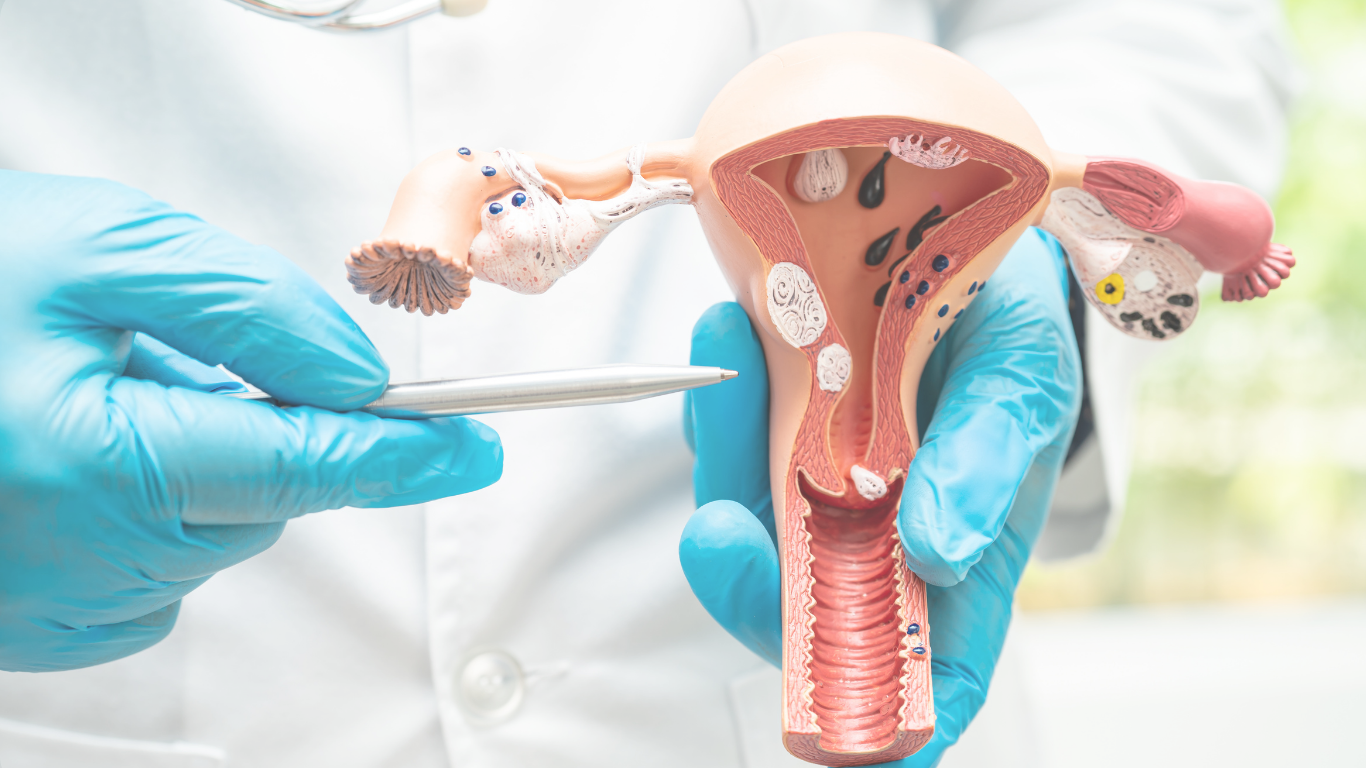
Changes in your periods, unusual vaginal discharge or persistent pelvic pain can be uncomfortable and sometimes worrying. These symptoms are common, but that does not mean you should ignore them. Understanding possible gynecological problems can help you recognise when to seek medical advice and what treatment options may be available.
Gynecological health includes the uterus, ovaries, fallopian tubes, vagina, cervix and related reproductive functions. Conditions affecting these areas can occur at different stages of life, from the first menstrual period through pregnancy and menopause. Many problems are manageable with the right diagnosis and treatment.
In this guide, we explain common gynecological conditions, their symptoms, possible causes and the treatments a healthcare professional may recommend.
What Are the Most Common Gynecological Problems?
Some frequently encountered gynecological concerns include:
- Irregular, painful or heavy menstrual periods.
- Polycystic ovary syndrome (PCOS).
- Vaginal infections and unusual discharge.
- Uterine fibroids.
- Endometriosis.
- Pelvic pain and pain during sexual activity.
- Menstrual changes associated with perimenopause and menopause.
- Fertility concerns and difficulties becoming pregnant.
These conditions are not all the same. Some involve hormonal changes, while others may be caused by infections, structural changes or inflammation. Treatment depends on the diagnosis, the severity of symptoms and your personal health goals.
1. Irregular Periods
Menstrual cycles can vary, particularly during the first few years after periods begin and during the transition to menopause. However, repeated changes in your cycle may sometimes indicate an underlying health concern.
Common symptoms
- Periods that arrive earlier or later than expected.
- Missing periods or going several months without menstruating.
- Bleeding or spotting between periods.
- Periods that are unusually heavy or last longer than usual.
Possible causes
Irregular periods may be associated with PCOS, thyroid disorders, stress, significant changes in body weight, certain medicines, pregnancy or changes in ovulation. Fibroids and other uterine conditions can also affect bleeding patterns.
What can help?
Treatment depends on the cause. A clinician may recommend a pregnancy test, blood tests, an ultrasound or other investigations. Depending on your diagnosis and whether you wish to become pregnant, treatment may include medication or hormonal therapy.
Track the dates of your periods, how long bleeding lasts and whether you experience pain. This information can help your gynecologist assess changes in your menstrual cycle.
2. Polycystic Ovary Syndrome (PCOS)
PCOS is a hormonal and metabolic condition that can affect ovulation and menstrual cycles. It may also be associated with acne, excess facial or body hair, scalp hair thinning and insulin resistance. Not everyone with PCOS experiences the same symptoms.
Common symptoms of PCOS
- Irregular periods or missed periods.
- Acne or oily skin.
- Increased facial or body hair.
- Thinning hair on the scalp.
- Difficulty becoming pregnant due to irregular ovulation.
- Metabolic concerns, including insulin resistance in some people.
How is PCOS treated?
There is no single treatment that works for everyone. Management may include balanced nutrition, regular physical activity, support for metabolic health and medication to address particular symptoms. People trying to conceive may benefit from fertility assessment and treatment.
Read our detailed guide to PCOS symptoms and treatment options to learn more about diagnosis, symptom management and fertility-related concerns.
3. Vaginal Infections and Unusual Discharge
Vaginal discharge naturally changes throughout the menstrual cycle. Normal discharge is often clear or white and does not usually have a strong unpleasant smell. A change in colour, odour or consistency, particularly with itching or irritation, may indicate a problem.
Symptoms to look out for
- Persistent itching or burning around the vagina.
- Discharge with an unusual smell.
- Changes in discharge colour or consistency.
- Burning when passing urine.
- Vaginal irritation or discomfort during sexual activity.
Possible causes
Symptoms may be caused by a yeast infection, bacterial vaginosis, a sexually transmitted infection or irritation from scented products. These conditions can have similar symptoms, so it is not always possible to identify the cause by appearance alone.
How can vaginal infections be treated?
Treatment depends on the specific cause. A healthcare professional may recommend an examination or testing and prescribe an appropriate antifungal medicine or antibiotic when needed. Some sexually transmitted infections require testing and treatment for sexual partners as well.
Avoid vaginal douching, scented intimate washes and unprescribed treatments. These products can cause irritation or disrupt the natural vaginal environment. If symptoms recur or do not improve, seek medical advice rather than repeatedly treating them yourself.
4. Painful or Heavy Periods
Mild menstrual cramps are common, but severe pain or heavy bleeding that affects daily activities deserves attention. You do not need to accept disabling period pain as something you must simply live with.
Possible symptoms
- Strong cramps in the lower abdomen.
- Pain spreading to the lower back or thighs.
- Heavy bleeding that interferes with everyday activities.
- Feeling unusually tired, weak or breathless, which may be associated with anaemia.
Possible causes
Painful or heavy periods may be associated with endometriosis, adenomyosis, uterine fibroids, hormonal changes or other medical conditions. The cause cannot always be determined from symptoms alone.
Treatment options
Depending on the cause, treatment may include pain relief, hormonal medicines, medicines to reduce heavy bleeding or procedures for specific conditions. A clinician may also check for anaemia if bleeding is heavy or prolonged.
Seek urgent medical care if you are bleeding very heavily and feel faint, have chest pain or shortness of breath. Sudden severe pain or bleeding when pregnancy is possible also requires urgent assessment.
5. Uterine Fibroids
Uterine fibroids are growths that develop in or around the muscular wall of the uterus. They are usually non-cancerous, and some people have no symptoms at all. Their effects depend on their size, number and location.
Symptoms of fibroids
- Heavy or prolonged menstrual bleeding.
- A feeling of pressure or fullness in the lower abdomen.
- Pelvic discomfort or pain.
- Frequent urination in some cases.
- Fertility or pregnancy-related concerns in certain cases.
How are fibroids treated?
Small fibroids that do not cause problems may only need monitoring. If symptoms are troublesome, a gynecologist may discuss medication, minimally invasive procedures or surgery. The choice depends on symptoms, fibroid characteristics and whether you wish to have children in the future.
6. Endometriosis
Endometriosis is a condition in which tissue similar to the lining of the uterus grows outside the uterus. It can cause inflammation and pain and may affect daily activities, sexual health or fertility.
Common symptoms
- Severe menstrual cramps.
- Persistent or recurring pelvic pain.
- Pain during or after sexual activity.
- Pain with bowel movements or urination, particularly around menstruation.
- Difficulty becoming pregnant in some cases.
What treatment is available?
Treatment may include pain management, hormonal medicines, specialist assessment or surgery in selected cases. The right approach depends on the severity of symptoms, the suspected extent of disease and your pregnancy plans.
If period pain repeatedly prevents you from working, studying, sleeping or doing everyday activities, arrange an assessment with a gynecologist.
7. Pelvic Pain
Pelvic pain refers to discomfort in the lower abdomen or pelvis. It may be occasional, related to menstruation or persistent. Causes can include ovarian cysts, endometriosis, pelvic infections, urinary conditions, digestive problems or pregnancy-related complications.
When should pelvic pain be checked?
Arrange a medical appointment if pain keeps returning, lasts longer than expected, worsens over time or affects daily life. Your clinician may ask when the pain occurs, where you feel it and whether it is associated with menstruation, urination, bowel movements or sexual activity.
8. Menopause and Hormonal Changes
Menopause is a natural stage of life when menstrual periods stop permanently. The transition leading up to menopause, known as perimenopause, can involve changes in hormones and menstrual patterns.
Common symptoms
- Periods becoming irregular or changing in flow.
- Hot flushes and night sweats.
- Sleep disturbances or mood changes.
- Vaginal dryness or discomfort during sex.
- Urinary symptoms in some people.
What can help?
Treatment depends on the symptoms and medical history. Options may include lifestyle adjustments, vaginal moisturisers or lubricants, prescription treatments and menopausal hormone therapy for suitable individuals. Discuss the benefits and risks with a qualified clinician before starting treatment.
Any bleeding after menopause should be evaluated by a healthcare professional, even if it happens only once.
9. Fertility Concerns
Difficulty becoming pregnant can have several causes, including irregular ovulation, PCOS, endometriosis, blocked fallopian tubes and age-related changes. Fertility concerns can involve either partner, so assessment may include both partners when appropriate.
What should you do?
Speak with a healthcare professional if you have concerns about fertility. An assessment may include a review of menstrual cycles and medical history, ovulation testing, imaging or other investigations based on your circumstances.
A fertility evaluation is commonly recommended after 12 months of trying to conceive for those under 35, after six months for those aged 35 or older, and earlier when there are known risk factors or irregular or absent periods. Your clinician can advise on the appropriate timing for you.
How Are Gynecological Problems Diagnosed?
Your doctor will choose investigations based on your symptoms, age, medical history and examination findings. You may not need every test listed below.
| Assessment or test | Why it may be recommended |
|---|---|
| Medical history | To understand menstrual patterns, symptoms, medicines and relevant health conditions. |
| Physical or pelvic examination | To assess symptoms and look for possible causes when appropriate. |
| Blood tests | To investigate anaemia, pregnancy, thyroid problems or other hormonal concerns when indicated. |
| Ultrasound | To examine the uterus, ovaries and other pelvic structures. |
| Vaginal or cervical swabs | To test for certain infections when symptoms or exposure history suggest they may be needed. |
| Cervical screening | To screen for cervical cell changes or HPV according to age and local recommendations. |
A pelvic examination is not automatically necessary for every concern. Your clinician should explain why a test is recommended and discuss your questions and preferences.
How to Support Your Gynecological Health
Healthy habits cannot prevent every gynecological condition, but they can support overall health and help you recognise changes that need attention.
- Track your periods: Record cycle dates, bleeding patterns and pain.
- Eat a balanced diet: Include vegetables, fruits, whole grains and varied protein sources.
- Stay physically active: Choose activity suited to your health and ability.
- Practise gentle intimate hygiene: Avoid douching and scented products that may cause irritation.
- Practise safer sex: Condoms and appropriate STI testing can reduce certain infection risks.
- Keep up with recommended screening: Ask about cervical cancer screening and HPV vaccination if eligible.
- Do not ignore persistent symptoms: Seek advice when symptoms are unusual, recurring or getting worse.
If you are planning a pregnancy, you may also find our guide to healthy foods and diet tips during pregnancy helpful for understanding general nutrition and food safety.
When Should You See a Gynecologist?
Consider arranging an appointment if you experience any of the following:
- Repeatedly irregular or absent periods.
- Very heavy bleeding or bleeding between periods.
- Unusual vaginal discharge, persistent itching or unpleasant odour.
- Severe menstrual cramps or recurring pelvic pain.
- Pain during sexual activity.
- Menopausal symptoms that affect your quality of life.
- Difficulty becoming pregnant or concerns about reproductive health.
Seek urgent care for sudden severe pelvic pain, heavy bleeding with dizziness or fainting, or pelvic pain with possible pregnancy. Fever with pelvic pain or unusual discharge also needs prompt medical assessment.
If you are looking for specialist care, learn more about Dr. Amrutha Pentakota, an obstetrician and gynecologist in Bangalore. Confirm current consultation availability and whether the clinician is appropriate for your specific needs.
Frequently Asked Questions
1. What are the most common gynecological problems?
Common concerns include irregular periods, painful or heavy bleeding, PCOS, vaginal infections, fibroids, endometriosis and pelvic pain. Symptoms and treatment differ depending on the underlying cause.
2. Can irregular periods be a sign of a health problem?
Yes. Irregular periods can occur with PCOS, thyroid disorders, stress, pregnancy and other conditions. Occasional changes may not indicate a serious problem, but repeated changes or several months without a period should be discussed with a healthcare professional.
3. How can I treat a vaginal infection?
Treatment depends on the cause. Yeast infections, bacterial vaginosis and sexually transmitted infections may require different treatments. A clinician can help determine the cause and recommend the appropriate medicine.
4. Are painful periods normal?
Mild cramps can be common, but severe pain that affects daily life should not be ignored. Conditions such as endometriosis, adenomyosis and fibroids may cause significant pain and deserve medical evaluation.
5. Can PCOS affect fertility?
PCOS can interfere with ovulation and make conception more difficult for some people. However, many people with PCOS can become pregnant, sometimes with medical support. Treatment depends on individual circumstances and pregnancy goals.
6. When is vaginal discharge abnormal?
Discharge that changes noticeably, develops a strong unpleasant smell or occurs with itching, burning, pelvic pain or fever may need assessment. Normal discharge can vary throughout the menstrual cycle.
7. How often should I visit a gynecologist?
The need for appointments depends on your age, medical history, symptoms, pregnancy plans and screening needs. Seek care when you have concerning symptoms, and ask your clinician about the preventive care appropriate for you.
8. Can gynecological problems be prevented?
Not all conditions can be prevented. Safer sex practices, recommended vaccinations and screening, appropriate intimate hygiene and timely medical assessment can help reduce certain risks or identify problems earlier.
Final Thoughts
Gynecological problems can affect your comfort, periods, relationships and quality of life, but many conditions can be managed with appropriate care. Paying attention to changes in your body and seeking medical advice when symptoms persist can help you get the right diagnosis and treatment.
You do not need to feel embarrassed about discussing menstrual changes, vaginal symptoms, pelvic pain or fertility concerns. A qualified gynecologist can help you understand what is happening and discuss treatment options that fit your needs.


